Herding in Commodities and Cryptocurrencies

Herding behavior has been extensively studied and is well understood in equity markets, but far less so in other asset classes such as commodities and cryptocurrencies. In this post, we explore key aspects of herding behavior in crypto and commodity markets.

Investor Behavior in Crypto During Geopolitical Shocks

Herd behavior refers to the tendency of investors to follow the actions of a larger group, often ignoring their own analysis or information. This collective movement can lead to asset bubbles during bull markets and sharp sell-offs during downturns. Understanding herd behavior is essential for identifying potential mispricings and avoiding emotionally driven decisions.

Herding behavior has been well studied in the equity markets, but less so in the cryptocurrency market. One might expect stronger herding in crypto due to the prevalence of young, inexperienced traders and the fact that crypto markets are under-regulated, less transparent, and highly volatile. However, existing studies have produced inconclusive results.

Reference [1] extends the research on herding in the crypto space by examining behavior during major geopolitical events, such as the COVID-19 pandemic and the Russia–Ukraine war.

Findings

-The study finds strong evidence of market-wide herding behavior in cryptocurrency markets by analyzing the relationship between return dispersion and market returns.

-Geopolitical risk (GPR) significantly amplifies herding, with severe herding detected across nearly all model specifications.

-The GPR Threat index has a stronger impact on herding than the GPR Act index, indicating that perceived geopolitical threats matter more than realized events.

-Herding behavior is asymmetric, occurring more intensely during bearish market conditions than bullish ones.

-Imitative trading is particularly pronounced during periods of market stress, confirming the presence of asymmetric herding.

-The strongest herding effects are observed during extreme geopolitical and global events, notably the COVID-19 pandemic and the Russia–Ukraine war.

-The findings suggest that herding in cryptocurrency markets is largely intentional, reflecting low information symmetry, weak disclosure, and limited information quality.

-Actual geopolitical events (GPR Act) tend to lose explanatory power because market participants rapidly process and price in the information once it is released.

-When realized geopolitical shocks exceed investor expectations, uncertainty rises sharply and herding intensifies.

In short, the authors found that herding intensifies during such events and is clearly present throughout these periods.

Reference

[1] Phasin Wanidwaranan, Jutamas Wongkantarakorn, Chaiyuth Padungsaksawasdi, Geopolitical risk, herd behavior, and cryptocurrency market, The North American Journal of Economics and Finance Volume 80, September 2025, 102487

Does Herding Behavior Exist in the Commodity Markets?

Herding behavior has been shown to exist in equity markets. Reference [2] examines the herding behavior in the commodity markets.

Findings

-The study investigates herding behavior in commodity ETFs using high-frequency microstructure data and a GARCH model that incorporates cross-sectional and market volatility at 15-, 30-, 45-, and 60-minute intervals.

-During periods of market instability and the COVID-19 pandemic, agricultural and metal-based ETFs generally exhibit weaker herding behavior, while energy-based ETFs tend to herd more.

-Under normal market conditions, herding typically emerges at frequencies longer than 30 minutes.

-Broad basket commodity ETFs and energy-based ETFs display herding behavior across multiple frequencies rather than at a single time scale.

-A notable exception is agricultural ETFs during the COVID-19 pandemic, where herding is observed across all frequencies, representing a key and unusual finding.

-Correlation analysis shows that commodity ETFs become less correlated with each other as time progresses.

-Lower observation frequencies are associated with weaker correlations across ETFs, except in the energy sector.

-The results suggest that herding behavior varies significantly by commodity type, market regime, and observation frequency.

The findings provide insights for investors, economists, and policymakers, particularly for designing diversification, hedging strategies and mitigating risks such as asset price bubbles and financial instability.

Reference

[2] Ah Mand, Abdollah and Sifat, Imtiaz and Ang, Wei Kee and Choo, Jian Jing, Herding Behavior in Commodity Markets. SSRN 4502804

Closing Thoughts

Taken together, these two studies show that herding behavior extends well beyond equity markets and plays a meaningful role in both cryptocurrencies and commodity ETFs, particularly under stress. In crypto markets, herding is strongly amplified by geopolitical risk, bearish conditions, and extreme events. In commodity ETFs, herding is more nuanced and highly dependent on asset class, market regime, and trading frequency, with energy and broad commodity baskets exhibiting persistent herding, while agricultural and metal ETFs remain relatively resilient except during extreme volatility.

Overall, the evidence suggests that herding is regime-dependent, frequency-specific, and asset-class-specific, with important implications for risk management, diversification, and the design of trading and hedging strategies during periods of market stress.

Modern Pairs Trading: What Still Works and Why

Pairs trading, or statistical arbitrage (stat arb), is a classic, well-established quantitative trading strategy, and it is still in use today. I discussed its profitability in a previous post, and in this installment, we continue that discussion.

Pairs Selection Methods

Reference [1] provides a thorough review of the pairs trading literature between 2016 and 2023.

Pair selection is a critical step in pairs trading, and the paper offers a comprehensive review of the various pair selection methods used in practice. They are:

1-Distance Methods

Use SSE/SAE of normalized price differences to identify co-moving assets. Simple, intuitive, and historically profitable across markets, even after costs.

2-Cointegration Methods

Exploit long-run equilibrium relationships. Strong empirical support across equities and bonds, with advances in regime switching and external-factor integration.

3-Stochastic Control Methods

Model pairs trading as a continuous-time optimization problem. Incorporate jumps, regime changes, and stochastic volatility, showing strong performance but facing practical frictions.

4-Time Series Methods

Use GARCH, OU, and fractional OU to model short-term dynamics and volatility clustering. Adaptive thresholds improve returns; hybrid models are an emerging area.

5-Other Methods

Copulas capture tail dependence; Hurst exponent methods capture long memory; entropic approaches address model uncertainty. These improve robustness under nonlinear dynamics.

Overall, the review helps practitioners adapt stat-arb techniques to new markets and regimes. While simple methods once worked well, today’s competitive environment often requires more sophisticated approaches, though success still depends on model design, data quality, and market regime.

Profitability of Pairs Trading

There is an ongoing debate in the literature—some argue that “pairs trading is dead,” while others maintain that it remains profitable. From this review paper [1], we learn the following.

1- Pairs trading remains profitable, but returns are weaker and more conditional

The survey explicitly notes that profitability persists, but is not uniform and depends on market conditions, costs, and implementation details:

Empirical evidence consistently shows that distance-based pairs trading can be profitable across different markets, asset classes, and time horizons.

However, this is immediately tempered elsewhere by declining performance stability:

Performance is not uniform over time: profitability tends to vary with market volatility, and Sharpe ratios decline in certain subperiods.

  1. Transaction costs and competition materially erode profits

Modern profitability survives only after careful cost control, unlike the early 2000s results:

Even after accounting for realistic transaction costs, the strategy remains profitable in several markets.

  1. Advanced methods outperform naïve approaches

The paper makes clear that simple Gatev-style [2] implementations are no longer sufficient:

The apparent simplicity of GGR’s strategy becomes less evident as more sophisticated models and techniques have been introduced.

And later:

Regime-switching structures … demonstrate superior performance, particularly under frequent or pronounced regime shifts.

In short, the paper does not argue that pairs trading has stopped working, but it makes clear that the simple, mechanical versions that worked in the 1990s and early 2000s no longer deliver robust returns. Profitability today is weaker, highly dependent on market regimes, and much more sensitive to transaction costs and execution. What survives is not the original Gatev–Goetzmann–Rouwenhorst method, but more adaptive, model-driven implementations that account for changing volatility, correlations, and liquidity.

Reference

[1] Sun, Y. (2025). A survey of statistical arbitrage pairs trading strategies with non-machine learning methods, 2016-2023. WNE Working Papers, 19/2025 (482). Faculty of Economic Sciences, University of Warsaw

[2] Gatev, E., Goetzmann, W., & Rouwenhorst, K. G. (2006). Journal of Financial Economics, 81(1), 105–141.

Closing Thoughts

The paper provides a thorough review of all existing pair selection methods, which are critical to pairs trading. It also concludes that current profitability is weaker, highly dependent on market regimes, and significantly more sensitive to transaction costs and execution.

Implied vs. Realized Volatility in Delta Hedging Strategies

Delta hedging is a fundamental topic in portfolio and risk management. In this post, we discuss which volatility measure should be used in the delta hedging process, while a future edition will examine the appropriate hedging frequency and time horizon.

Which Free Lunch Would You Like Today Sir?

Reference [1] is a classic article on delta hedging that addresses the following question: if an investor has an accurate estimate of future realized volatility that differs from current implied volatility, a position can be initiated to exploit this discrepancy and then dynamically hedged—but which volatility should be used as the input in the hedging process?

Hedging with Actual Volatility

Pros

-Hedging with actual volatility guarantees the final profit at expiration, equal to the difference between theoretical option values under actual and implied volatility.

-The final profit has zero variance, making it attractive from a long-term, global risk–reward perspective.

-Expected profit is often insensitive to small errors in the volatility used for hedging, providing some robustness to estimation error.

Cons

-Mark-to-market P&L during the life of the option can fluctuate significantly, which is problematic for short-term risk management.

-Interim P&L depends on the true drift of the underlying asset, introducing uncertainty before expiration.

-In practice, traders are rarely confident in their estimate of actual volatility, weakening the appeal of this approach.

Hedging with Implied Volatility

Pros

-Mark-to-market P&L evolves smoothly with no random fluctuations, which is advantageous for daily risk monitoring.

-The trader only needs to be directionally correct about volatility (i.e., actual > implied or vice versa), not to estimate actual volatility precisely.

-Implied volatility is directly observable from the market, simplifying implementation.

Cons

-The final profit is path-dependent and therefore uncertain at inception.

-While profits are always positive in expectation, their magnitude cannot be known in advance.

-Profitability depends on the realized price path, particularly whether the underlying remains near regions of high gamma.

Reference

[1] R Ahmad, P Wilmott, Which Free Lunch Would You Like Today Sir?, Wilmott, 2005

Delta Hedging with Implied vs. Historical Volatility

Similar to the previous paper, Reference [2] examines the effectiveness of hedging using implied versus realized volatility. The study is based on empirical analysis using index ETF options, specifically the Nasdaq-100 ETF (QQQ).

Findings

-The study examines the role of volatility estimation in delta-neutral hedging, with a focus on short-term options trading and risk management.

-It empirically compares implied volatility (IV) and historical volatility (HV) using Nasdaq-100 ETF (QQQ) options over several months of daily data.

-The analysis evaluates hedging performance, return stability, transaction costs, hedging errors, and sensitivity under varying market volatility conditions.

-Results show that IV-based hedging delivers more stable returns, lower return volatility, and better risk mitigation, making it more suitable for conservative and risk-averse investors.

– IV-based strategies benefit from forward-looking, market-implied inputs, which improve delta accuracy, reduce rebalancing frequency, and lower transaction costs.

-HV-based hedging can generate higher potential returns but exhibits greater variability, larger hedging errors, and higher portfolio risk, particularly during volatile markets.

-Sensitivity tests confirm that IV adapts more effectively to changing market conditions than HV.

-The study highlights a clear trade-off between stability and return potential, emphasizing that volatility measure selection should depend on market conditions and risk preferences.

The findings provide practical guidance for traders and risk managers and contribute to the literature on optimal volatility modeling under real-world constraints. Though the paper has some limitations, notably the small sample size, this research direction is worth pursuing, particularly in establishing a delta band and determining the optimal hedging frequency.

Reference

[2] Yimao Zhao, Implied Volatility vs. Historical Volatility: Evaluating the Effectiveness of Delta-Neutral Hedging Strategies, Proceedings of the 2025 5th International Conference on Enterprise Management and Economic Development (ICEMED 2025)

Closing Thoughts

Taken together, these two studies highlight that the choice of volatility input is an important decision in delta hedging, rather than a technical detail. Both papers show that implied volatility, with its forward-looking and market-based nature, generally delivers more stable hedging performance, lower tracking errors, and better risk control, particularly in short-term and actively rebalanced strategies.

Historical or realized volatility, while simpler and sometimes effective in calmer market regimes, tends to lag during volatility shifts and leads to larger hedging errors. The broader implication for practitioners is that effective delta hedging requires aligning the volatility measure with market conditions, risk tolerance, and trading horizon, rather than relying on a one-size-fits-all approach.

Risk, Leverage, and Optimal Betting in Financial Markets

Most research in portfolio management focuses on alpha generation; however, another critical component of portfolio construction is position sizing. In this post, we examine key considerations in position sizing, including the Kelly criterion and the martingale betting system.

Does Kelly Portfolio Outperform the Market?

A method for capital allocation and position sizing is to employ the Kelly criterion. The Kelly criterion aims to optimize the expected growth rate of capital, maximizing the anticipated value of the logarithm of wealth. This strategy is rooted in John Kelly’s paper, “A New Interpretation of Information Rate.” According to Kelly, in repeated bets, a bettor should act to maximize the expected growth rate of capital, thus maximizing expected wealth at the end.

Reference [1] applies Thorp’s approach, as outlined in “The Kelly Criterion in Blackjack, Sports Betting and the Stock Market,” [2]  to construct a portfolio in the Norwegian stock market. The formula computes the optimal investment fraction in a set of assets, considering the expected excess returns of the assets and the inverse of the variance-covariance matrix.

Findings

-The study evaluates the performance of a growth-optimal Kelly portfolio in the Norwegian stock market over the period February 2003 to December 2022.

-It assesses abnormal performance using the CAPM, Fama–French three-factor model, and Carhart four-factor model.

-The Kelly portfolio achieves a higher compound annual growth rate (14.1%) and higher ending wealth than the benchmark index, which grows at 12%.

-It also outperforms a Markowitz portfolio, which delivers lower growth and final wealth.

-The Kelly portfolio and the benchmark exhibit similar Sharpe ratios (0.58), while the Kelly portfolio attains a higher Sortino ratio (0.95).

-Factor regressions indicate an annualized alpha of 16.8% for the Kelly portfolio, statistically significant at the 1% level before transaction costs.

-However, the factor models display very low explanatory power, suggesting that the estimated alpha may be overstated.

-Once transaction costs are incorporated, the Kelly portfolio no longer outperforms the benchmark in terms of final wealth.

-After costs, the alpha remains only marginally significant at the 10% level, implying limited real-world risk-adjusted excess returns.

This paper presents several interesting findings,

-First, the correlation of the Kelly portfolio with the market is nearly zero.

-Second, the performance is sensitive to transaction costs. We believe that with lower transaction costs, the Kelly portfolio has the potential to outperform the market and display zero correlation with it.

-Third, the Kelly portfolio surpasses the Markowitz mean-variance portfolio in performance.

We also concur with the author that the utilization of options can further enhance the risk-adjusted return.

Reference

[1] Jon Endresen and Erik Grødem, The Kelly criterion, an empricial study of the growth optimal Kelly portfolio, backtested on the Oslo Stock Exchange, 2023, Norwegian School of Economics.

[2] Thorp, E. O., The Kelly Criterion in Blackjack Sports Betting and the Stock Market, in: Zenios, S.A. & Ziemba, W.T., Handbook of Asset and Liability Management, Volume 1, 387–428, 2006

Enhanced Martingale Betting System with Stop Policy

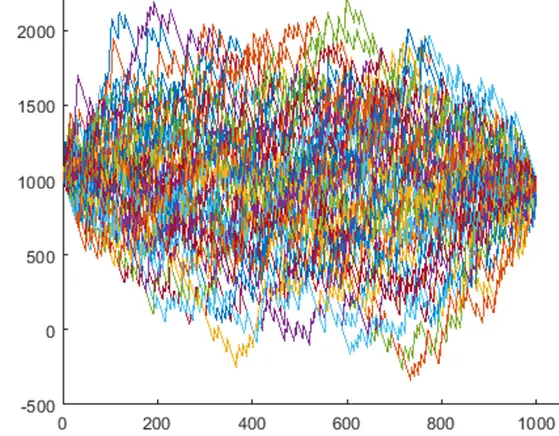
The martingale betting system is a popular gambling strategy that involves doubling one’s wager after each loss in the pursuit of recovering previous losses and securing a profit equal to the original bet. The underlying idea is that, statistically, a win will eventually occur, allowing the player to recoup losses and gain a net profit equal to the initial stake. While simple in concept, the martingale system carries inherent risks, as it assumes unlimited funds for doubling bets and disregards the fact that losing streaks can persist longer than expected. Thus, this system will eventually result in bankruptcy.

Reference [3] however argues that different perspectives exist regarding whether stock price movements adhere strictly to a random walk, often modeled as a geometric Brownian motion. This suggests a potential for enhancement in the martingale betting system. The author has subsequently introduced an enhanced martingale betting system that includes a stop policy.

Findings

-The paper proposes an Improved Martingale Betting System (IMBS) by modifying the traditional martingale strategy with a stop policy and adapting it from casino gambling to intraday trading.

-The IMBS is empirically tested using TAIEX (TX) futures across three intraday trading strategies.

-Results show that the IMBS delivers strong performance and is applicable to TX intraday trading and related markets.

-The study finds that returns increase with leverage up to a certain threshold, beyond which traditional martingale strategies face a high probability of bankruptcy.

-By controlling key parameters—specifically leverage scaling (a), the number of steps (n), and total leverage—the IMBS significantly outperforms both the Equal-Weight Betting System (EWBS) and the traditional Martingale Betting System (MBS).

-The inclusion of a stop-loss mechanism further improves performance and risk control.

-Empirical tests indicate that IMBS performs particularly well when combined with price breakout strategies, which are identified as the most profitable approach for TX intraday trading.

In short, after testing on real data, the article concludes that

-The conventional martingale betting system inevitably leads to bankruptcy,

-With the integration of a stop policy, the new and improved martingale betting system demonstrates enhanced efficacy.

Reference

[3] Ting-Yuan Chen, and Szu-Lang Liao, Improved Martingale Betting System for Intraday Trading in Index Futures—Evidence of TAIEX Futures, Asian Journal of Economics and Business, Year:2023, Vol.4 (2), PP.339-366

Closing Thoughts

Taken together, the two studies highlight the trade-off between growth maximization and risk control in position sizing. The Kelly-based approach demonstrates strong theoretical and empirical growth performance, but its apparent alpha weakens once transaction costs and model limitations are accounted for, raising questions about real-world applicability. By contrast, the Improved Martingale Betting System shows that disciplined leverage control and stop policies can materially improve intraday trading outcomes relative to naive martingale schemes, especially when combined with breakout strategies. Overall, both strands of research suggest that position sizing is as critical as signal generation, and that practical constraints, parameter calibration, and market frictions ultimately determine whether theoretically attractive sizing rules translate into sustainable performance.

The Effectiveness of Collar Structures in Equity and Commodity Markets

There are several popular options strategies frequently discussed in the trading and investing literature, as well as on social media. In a previous post, we examined the effectiveness of the covered call strategy, which has gained wide adoption among retail investors. In this edition, we extend our critical evaluation to another widely used approach—the options collar, a strategy employed by both retail traders and institutional investors.

Assessing the Effectiveness of Zero-Cost Collar in Different Markets

The zero-cost collar strategy is an options trading strategy that involves the simultaneous purchase of a put option and the sale of a call option. The options are usually of the same maturity, and the transaction results in a zero or small credit to the trader’s account.

This strategy is often used by investors who are bullish on a stock but want to protect themselves against a potential drop in the price. By buying the put option, they have the right to sell the stock at a predetermined price (the strike price). If the stock price falls below the strike price, they can sell the stock and offset any losses.

The sale of the call option helps to offset the cost of the put option and results in a zero or small credit to the trader’s account. This strategy is sometimes referred to as a “zero cost” collar because the net cost of the trade is zero.

Reference [1] examined the effectiveness of the zero-cost collar strategy in the developed and developing markets.

Findings

-The paper’s objective is to provide investors with a continuously implemented trading strategy that can effectively handle turbulent market periods such as the Dotcom bubble, the 2008–2009 financial crisis, and the COVID-19 pandemic.

-The study analyzes stock indices from six countries across both developed and developing economies to assess how extreme market events affect performance.

-Zero-cost collars are proposed as a costless option-based protection strategy, created by equating the cost of the long and short option components.

-Prior literature has not evaluated zero-cost collars across different rebalancing frequencies or tested their outcomes in both turbulent and stable markets.

-Results show that zero-cost collars generate strong returns when market volatility is moderate, and the underlying indices perform well, especially when the put strike is set at a higher level.

-The strategy performs respectably during severe downturns as well as during trending or declining markets.

– Its effectiveness depends on market conditions and the choice of strike levels.

Overall, the paper contributes a practical trading strategy that helps investors manage turbulent market conditions through the continuous application of zero-cost collars.

Reference

[1] Lj Basson, Suné Ferreira-Schenk and Zandri Dickason-Koekemoer, The performance of zero-cost option derivative strategies during turbulent market conditions in developing and developed countries, Cogent Economics & Finance, Volume 10, 2022 – Issue 1

How the Airlines Hedge Fuel Costs

The recent rise in the cost of airline tickets can be attributed in part to the escalating fuel prices, which significantly affect operating expenses for airlines. To counter the adverse impact of fuel price volatility, airlines often adopt a strategic approach known as fuel hedging. This practice involves entering into financial contracts to secure future fuel purchases at predetermined prices, mitigating the vulnerability to sudden spikes in fuel costs. Fuel hedging provides airlines with a degree of price certainty, offering a measure of stability in budgeting and operational planning while allowing them to better manage the economic challenges posed by fluctuating fuel prices.

Amongst the US airlines, Southwest Airlines distinguishes itself for its efficient execution of the hedging strategy. It has maintained a record of profitability since 1973, an accomplishment that sets it apart in the US airline sector. Expert observers attribute Southwest’s sustained financial success to its proficient utilization of derivatives for the purposes of hedging. An analysis of Southwest Airlines’ financial statements across multiple years reveals a distinct trend: the share of jet fuel expenses is consistently lower compared to the industry norm. This achievement can be directly attributed to the precise implementation of their jet fuel hedging strategy, a practice that effectively shields the airline from fluctuations in fuel prices.

Reference [2] examined the fuel hedging strategy of Southwest Airlines in detail.

Findings

-The paper analyzes why hedging jet fuel is critical for airlines, given the high volatility of oil prices, and highlights how Southwest Airlines’ long-term low-cost strategy is closely tied to its effective fuel-hedging program.

-It examines Southwest’s financial background and stock performance as a foundation for evaluating its hedging approach.

-The study identifies four key hedging strategies used by Southwest Airlines: call options, collar structures, call spreads, and put spreads.

-By combining these four strategies, Southwest effectively mitigated jet-fuel price risk without engaging in speculative derivative positions.

-A comparison with other airlines shows that Southwest’s disciplined, non-speculative approach contributed significantly to its hedging success and cost stability.

-The paper also evaluates how COVID-19 and oil-price movements related to production-cut agreements adversely affected Southwest, leading to over-hedging and substantial losses in 2020.

In short, the paper discussed the intricacies of Southwest Airlines’ hedging strategies and demonstrated their value-added effect. It is apparent that the deployment of hedging by Southwest Airlines yields advantages. However, it is important to underscore the necessity of a well-designed hedging program, one that avoids the potential pitfall of over-hedging.

Reference

[2] Xiao Han, Hedging Strategy Analysis of Southwest Airlines, 2023, Proceedings of the 6th International Conference on Economic Management and Green Development

Closing Thoughts

Taken together, the two studies illustrate how collar-based strategies can play an important role in managing volatile market conditions, whether for broad equity portfolios or for highly fuel-sensitive industries such as airlines. The first study shows that zero-cost collars can deliver respectable risk-adjusted outcomes during major market disruptions, particularly when volatility is moderate, and strike selection is calibrated appropriately. The second study highlights how Southwest Airlines effectively applied options structures, including collars, to hedge jet-fuel exposure, while also underscoring the risks of over-hedging during periods such as COVID-19. Collectively, the evidence reinforces that collar strategies can be valuable risk-management tools, but their effectiveness depends critically on market regime, implementation frequency, and disciplined design.

Fractal Market Hypothesis: From Theory to Practice

Fractal Market Hypothesis is an alternative framework that models financial markets through long-memory and multi-scale dynamics. There is a growing trend in the industry to incorporate it—first in analyzing the behavior of underlying assets, and more recently in the pricing of financial derivatives such as futures. In this post, we will examine these developments.

Fractal Market Hypothesis: Quantification and Usage

The Fractal Market Hypothesis (FMH) is a theory that suggests that financial markets behave in the same way as natural phenomena and are subject to the same physical laws as found in nature. It suggests that financial markets are composed of similar patterns which repeat over and over again at different scales. These patterns can be used to identify market trends and can help investors make more informed decisions.

The Fractal Market Hypothesis is one of the alternatives to the Efficient Market Hypothesis (EMH) which states that all available information is already factored into the price of a security. The other alternative is the Adaptive Market Hypothesis (AMH).

Reference [1] examined how the fractal nature of the financial market can be quantified and used in investment analysis.

Fractal Market Hypothesis (FMH):

-Suggests financial markets mimic natural phenomena, governed by the same physical laws.

-Identifies repeating patterns at different scales in financial markets.

-Offers a quantitative description of how financial time series change.

Comparison with Efficient Market Hypothesis (EMH):

-FMH contrasts with EMH, which claims all available information is already reflected in security prices.

-FMH, along with Adaptive Market Hypothesis (AMH), presents alternatives to EMH.

Quantification and Usage of FMH:

-The paper quantifies the fractal nature of developed and developing market indices.

-FMH posits self-similarity in financial time series due to investor interactions and liquidity constraints.

-Market stability is influenced by liquidity and investment horizon heterogeneity.

Market Dynamics and Stability:

-FMH suggests that during normal conditions, diverse investor objectives maintain liquidity and orderly price movements.

-Under stressed conditions, herding behavior reduces liquidity, leading to market destabilization through panic selling.

Reference

[1] A. Karp and Gary Van Vuuren, Investment implications of the fractal market hypothesis, 2019 Annals of Financial Economics 14(01):1950001

Fractional Geometric Brownian Motion and Its Application to Futures Arbitrage

While the previous paper discusses the FMH from an investment perspective, Reference [2] reflects a recent trend in quantitative research—namely, incorporating the FMH into the pricing of financial derivatives.

The paper proposed an extension based on fractional Brownian motion (FBM), which incorporates trend fractal dimensions (FTD)—distinguishing between upward (D⁺) and downward (D⁻) dimensions—combined with momentum lifecycle theory.

The authors developed a pricing framework for futures under this setup. Because FBM is not a semi-martingale in the classical sense, they adjusted the drift of the log-price process to reconcile fractal dynamics with approximate arbitrage-free pricing.

Afterward, they constructed a futures pricing model and designed an arbitrage strategy based on the futures–cash basis. The strategy operates as follows:

-Rule 1: Execute a positive arbitrage (sell futures, buy spot/ETF) when the basis series enters the low reversal phase, as identified by the conditions on D⁺ and D⁻.

-Rule 2: Close the positive arbitrage position (buy futures, sell spot/ETF) when the basis series enters the high reversal phase, or, depending on market rules and strategy design, open a negative arbitrage position.

Findings

-The study challenges traditional futures pricing models based on the efficient market hypothesis, noting their limitations in capturing complex market behavior and their tendency to produce significant pricing errors.

-It introduces the fractal market hypothesis (FMH) as a more effective framework that accounts for long memory and multi-scale market dynamics.

-A fractal futures pricing model is developed by incorporating the Hurst exponent and a cash-futures arbitrage strategy that uses trend fractal dimensions (D⁺ and D⁻) and momentum lifecycle logic to generate dynamic trading signals.

-Empirical testing using CSI 300 data shows that the fractal model substantially reduces pricing errors relative to the traditional cost-of-carry model.

-The proposed fractal-based arbitrage strategy achieves higher returns, stronger risk-adjusted performance, and lower drawdowns compared to conventional static-threshold approaches.

-Backtesting results indicate a total return of 12.71% versus 7.06% for the traditional strategy, with a positive Sharpe ratio of 0.32 compared to a negative −0.61.

-The strategy demonstrates exceptional resilience during market stress, such as the 2015 crash, limiting losses to −0.83% while traditional approaches lost −5.82%.

-This robustness under extreme conditions highlights the model’s effectiveness for both profitability and capital preservation.

Overall, the findings validate the practical value of the fractal market hypothesis for developing adaptive, accurate, and profitable pricing and arbitrage tools.

Reference

[2] Xu Wu and Yi Xiong, A fractal market perspective on improving futures pricing and optimizing cash-and-carry arbitrage strategies, Quantitative Finance and Economics, Volume 9, Issue 4, 713–744.

Closing Thoughts

In summary, both articles underscore the growing relevance of the Fractal Market Hypothesis as an alternative framework for understanding modern financial markets. The first article outlines FMH’s theoretical foundation, emphasizing its focus on multi-scale behavior, liquidity, and investor horizon heterogeneity. The second article extends this perspective into practical applications, demonstrating how fractal-based pricing models and arbitrage strategies can outperform traditional approaches and remain resilient under stress. Together, they show that FMH is evolving from a descriptive theory into a useful quantitative tool for pricing, risk management, and strategy design.

Volatility vs. Volatility of Volatility: Conceptual and Practical Differences

Volatility and volatility of volatility are highly correlated and share many similar characteristics. However, there are subtle but important differences between them. In this post, we will examine some of these differences and explore an application of volatility of volatility in portfolio management.

Improving Portfolio Management with Volatility of Volatility

Managing portfolios using volatility has proven effective. Reference [1] builds on this research by proposing the use of volatility of volatility for portfolio management. The rationale behind using volatility of volatility is that it represents uncertainty.

Unlike risk, which refers to situations where future returns are unknown but follow a known distribution, uncertainty means that both the outcome and the distribution are unknown. Stocks may exhibit uncertainty when volatility or other return distribution characteristics vary unpredictably over time.

Practically, the author used a stock’s daily high and low prices to derive its volatility of volatility.

Findings

-The study investigates how volatility-managed investment strategies perform under different levels of uncertainty across stocks and over time.

-A new measure of volatility-of-volatility (vol-of-vol) is introduced as a proxy for uncertainty about risk, capturing a unique dimension distinct from traditional volatility.

-Results show that abnormal returns from volatility management are concentrated in stocks with low uncertainty and during periods of low aggregate uncertainty.

-The effectiveness of sentiment-based explanations for volatility-managed returns is conditional on the level of uncertainty.

-Cross-sectional differences in uncertainty help explain why volatility-managed factor portfolios perform unevenly across stocks and time.

-Theoretical analysis extends a biased belief model, showing that higher vol-of-vol reduces volatility predictability and belief persistence, weakening the benefits of volatility timing.

-The study hypothesizes that volatility management is most effective for low-uncertainty stocks and in low-uncertainty market environments.

-Empirical tests use realized vol-of-vol derived from intraday high and low prices as the measure of uncertainty.

-Consistent with prior literature, uncertainty is positively related to future returns and contains unique predictive information not explained by other stock characteristics.

-Volatility management significantly improves risk-adjusted performance in low-uncertainty stocks and during low aggregate uncertainty periods, while uncertainty also helps explain performance variation across asset pricing factor portfolios.

In short, using the volatility of volatility as a filter proves to be effective, particularly for low-uncertainty stocks.

We find it insightful that the author distinguishes between risk and uncertainty and utilizes the volatility of volatility to represent uncertainty.

Reference

[1] Harris, Richard D. F. and Li, Nan and Taylor, Nicholas, The Impact of Uncertainty on Volatility-Managed Investment Strategies (2024), SSRN 4951893

Beyond volatility of volatility

This section is written by Alpha in Academia

The Volatility of Volatility Index (VVIX) is a composite measure, driven by both short-term market panic and long-term risk expectations.

For years, the VVIX, often dubbed the “fear of fear” index, was treated primarily as a measure of the volatility of volatility (VOV), but new research reveals it contains a second, equally critical component: Long-Run Variance (LRV).

Figure 1: Time series of the squared VVIX Notes: This figure reports time series of the squared VVIX from April 4, 2007, to August 31, 2023; these are all reported on a logarithmic scale for the vertical axis, while the horizontal axis remains linear. The squared VVIX corresponds to the daily closing value retrieved from CBOE. The shaded areas indicate periods of financial distress, such as the GFC, the European debt crisis, and the COVID-19 pandemic. Note that financial distress does not correspond to the NBER recession.

Using a sophisticated model and leveraging a novel technique involving risk-neutral cumulant data extracted from VIX options, researchers decomposed the VVIX dynamics. Their analysis reveals that the factors driving the index change dramatically depending on market conditions. Specifically, the short-term panic measure, VOV, significantly contributes only during acute periods of financial distress, which aligns with intuition. However, during stable or bull markets, the VVIX is primarily driven by the LRV component, reflecting persistent, underlying risk expectations.

In fact, when testing the explanatory power on market-neutral straddle portfolios using S&P 500 options, combining LRV and VOV produced an adjusted explanatory power up to three times greater than baseline models. The finding shows that the index provides “a clear answer to the question of the informational content of the VVIX, showing that it reflects not only the VOV but also an additional important component—the LRV”. Investors should thus view the VVIX not just as a fear gauge, but as a dual-sensor monitoring immediate market stress and long-term risk.

Reference

[2] Bacon, Étienne and Bégin, Jean-François and Gauthier, Geneviève, Beyond volatility of volatility: Decomposing the informational content of VVIX, 2025, SSRN 5611090

Closing Thoughts

In summary, both studies emphasize the role of volatility-of-volatility in understanding risk and market behavior. The first shows that volatility management is most effective in low-uncertainty environments, while the second reveals that the VVIX reflects not only short-term market stress but also long-term risk expectations. Together, they suggest that volatility-of-volatility offers deeper insight into both portfolio performance and the broader dynamics of market uncertainty.

Modeling Gold for Prediction and Portfolio Hedging

Gold prices have risen sharply in recent months, prompting renewed debate over whether the market has reached its peak. In this post, we examine quantitative models used to forecast gold prices and evaluate their effectiveness in capturing volatility and market dynamics. However, gold is not only a speculative vehicle, it also functions as an effective hedging instrument. We explore both aspects to provide a comprehensive view of gold’s role in modern portfolio management.

Comparative Analysis of Gold Forecasting Models: Statistical vs. Machine Learning Approaches

Gold is an important asset class, serving as both a store of value and a hedge against inflation and market uncertainty. Therefore, performing predictive analysis of gold prices is essential. Reference [1] evaluated several predictive methods for gold prices. It examined not only classical, statistical approaches but also newer machine learning techniques. The study used data from 2021 to 2025, with 80% as in-sample data and 20% as validation data.

Findings

-The study analyzes gold’s forecasting dynamics, comparing traditional statistical models (ARIMA, ETS, Linear Regression) with machine learning methods (KNN and SVM).

-Daily gold price data from 2021 to 2025 were used for model training, followed by forecasts for 2026.

-Descriptive analysis showed moderate volatility (σ = 501.12) and strong cumulative growth of 85%, confirming gold’s ongoing role as a strategic safe-haven asset.

-Empirical results indicate that Linear Regression (R² = 0.986, RMSE = 35.7) and ETS models achieved superior forecasting accuracy compared to ARIMA, KNN, and SVM.

-Machine learning models (KNN and SVM) underperformed, often misrepresenting volatility and producing higher forecast errors.

-The results challenge the assumption that complex algorithms necessarily outperform traditional methods in financial forecasting.

-Forecasts for 2026 project an average gold price of $4,659, corresponding to a 58.6% potential return.

-The study cautions that these forecasts remain sensitive to macroeconomic shocks and market uncertainties.

-The findings emphasize that simpler, transparent, and interpretable models can outperform more complex machine learning approaches in volatile market conditions.

In short, the paper shows that,

-Linear Regression and ETS outperformed ARIMA, KNN, and SVM, delivering the lowest error and highest explanatory power,

-Machine learning models (KNN, SVM) did not outperform traditional statistical methods, emphasizing the value of interpretability and stability in volatile markets.

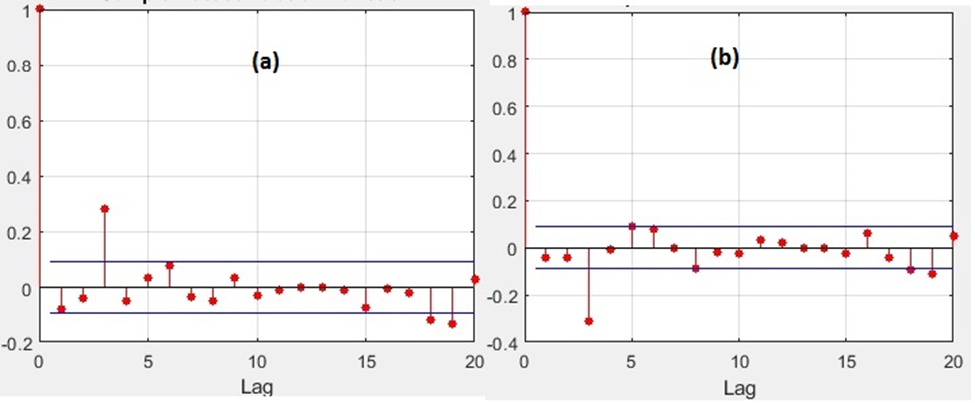
Another notable aspect of the study is its autocorrelation analysis, which reveals that, unlike equities, gold does not exhibit clear autocorrelation patterns—its price behavior appears almost random. The paper also suggested improving the forecasting model by incorporating macroeconomic variables.

Reference

[1] Muhammad Ahmad, Shehzad Khan, Rana Waseem Ahmad, Ahmed Abdul Rehman, Roidar Khan, Comparative analysis of statistical and machine learning models for gold price prediction, Journal of Media Horizons, Volume 6, Issue 4, 2025

Using Gold Futures to Hedge Equity Portfolios

Hedging is a risk management strategy used to offset potential losses in one investment by taking an opposing position in a related asset. By using financial instruments such as options, futures, or derivatives, investors can protect their portfolios from adverse price movements. The primary goal of hedging is not to maximize profits but to minimize potential losses and provide stability.

Reference [2] explores hedging basic materials portfolios using gold futures.

Findings

-The study examines commodities as alternative investments, hedging instruments, and diversification tools.

-Metals, in particular, tend to be less sensitive to inflation and exhibit low correlation with traditional financial assets.

-Investors can gain exposure to metals through shares of companies in the basic materials sector, which focus on exploration, development, and processing of raw materials.

-Since not all companies in this sector are directly linked to precious metals, the study suggests including gold futures to enhance portfolio diversification.

-The research compares a portfolio composed of basic materials sector stocks with a similar portfolio hedged using gold futures.

-Findings show that hedging with gold reduces both profits and losses, providing a stabilizing effect suitable for risk-averse investors.

-The analysis used historical data from March 1, 2018, to March 1, 2022, and tested several portfolio construction methods, including equal-weight, Monte Carlo, and mean-variance approaches.

-Between March 2022 and November 2023, most portfolios without gold futures experienced losses, while portfolios with short gold futures positions showed reduced drawdowns and more stable performance.

-The basis trading strategy using gold futures did not change the direction of returns but significantly mitigated volatility and portfolio swings.

In short, the study concludes that hedging base metal equity portfolios with gold futures can effectively reduce PnL volatility and enhance portfolio stability, offering a practical approach for conservative investors and professional asset managers.

Reference

[2] Stasytytė, V., Maknickienė, N., & Martinkutė-Kaulienė, R. (2024), Hedging basic materials equity portfolios using gold futures, Journal of International Studies, 17(2), 132-145.

Closing Thoughts

In summary, gold can serve as an investment, a speculative vehicle, and a hedging instrument. In the first article, simpler models such as Linear Regression and ETS outperformed complex algorithms in forecasting gold prices, emphasizing the importance of interpretability in volatile markets. In the second, incorporating gold futures into base metal portfolios reduced profit and loss volatility, offering stability for risk-averse investors. Together, the studies highlight gold’s dual function as both a return-generating asset and a tool for risk management.

Effectiveness of Covered Call Strategy in Developed and Emerging Markets

Covered call strategies are often promoted as an income-generation tool for investors seeking steady returns with reduced risk. But how effective are they in practice? In this post, we take a closer look at their real-world performance across different markets.

Do Covered Calls Deliver Superior Returns?

The covered call strategy is a popular and conservative options trading approach. It involves an investor holding a long position in an underlying asset, typically a stock, and then selling call options on that asset. These call options provide the buyer with the right to purchase the underlying asset at a predetermined strike price within a specific timeframe. By selling these calls, the investor generates additional income through the premiums received.

While the covered call strategy provides an additional income, it caps potential profits if the asset’s price rises significantly. Covered calls are often employed by investors seeking income while holding a moderately bullish view of the underlying asset’s price. It can be an effective way to enhance returns and manage risk in a portfolio.

The investment management industry has actively promoted the covered call strategy. But in reality, does it deliver superior returns compared to the buy-and-hold approach? Reference [1] effectively examined this question.

Findings

-The study evaluates the performance of a covered call strategy relative to the SPY ETF benchmark over the period from July 2009 to April 2023.

-Three covered call variations are analyzed: at-the-money (ATM), two percent out-of-the-money (OTM), and five percent OTM call options.

-The results show no statistically significant difference between the covered call strategies and the benchmark in terms of overall performance.

-Among the tested strategies, the five percent OTM covered call achieved the highest annualized return of 16%, followed by the two percent OTM with 15%, compared to SPY’s 13%.

-The study cautions investors that these figures do not account for taxes, transaction costs, or implementation expenses, which could reduce the strategy’s real-world profitability.

-The analysis distinguishes between two major market periods — the COVID-19 pandemic and the Russia–Ukraine conflict — to evaluate performance consistency.

-The findings suggest that while covered call strategies may offer comparable or slightly better returns in some conditions, their advantage is not statistically robust.

-The thesis excludes mean-variance ratios due to potential biases caused by the negatively skewed return distribution of covered call strategies.

-The results imply that covered call strategies may be better suited for specific market environments rather than as a general outperforming strategy.

Overall, the study highlights the limited evidence supporting the superiority of covered call strategies over a simple buy-and-hold approach for ETFs.

Reference

[1] Tomáš Ježo, Effect of covered calls on portfolio performance, 2023, Charles University

Do Covered Calls Deliver Superior Returns – Emerging Markets

The previous paper discussed the risk-adjusted returns of the covered call strategy in the US market. Reference [2] further studied the profitability of the covered call strategy in international markets.

Findings

-The study evaluates the effect of call writing on ETF portfolio returns and risk, focusing on the Indian capital market.

-Results indicate that adding call writing to ETFs generally reduces returns and increases risk compared to holding ETFs alone.

-Exceptions occur for portfolios using deep out-of-the-money (OTM) options—specifically OTM5 and OTM7—which achieved higher returns but also significantly higher risk.

-The OTM5 portfolio showed a 47% gain in rupee terms and 27% as a percentage of investment, though its risk nearly doubled.

-The high volatility of options often leads to sharp losses, with the potential to erase a year’s gains in a single week of negative returns.

-ETFs, while index-based, do not perfectly track their benchmarks, contributing to deviations in portfolio performance.

-The higher return of the OTM5 portfolio is attributed to a 68% success rate, suggesting potential benefits if the strategy is applied consistently over the long term.

-The findings support the idea that covered call strategies can generate income and manage risk if applied using deep OTM options and maintained for extended periods.

-The study aligns with prior research indicating that covered call strategies underperform in bull markets but can reduce risk or outperform in neutral or declining markets.

In brief, in the Indian market, covered calls yield lower returns with higher risks (as measured by portfolio volatility). The exception is when selling far out-of-the-money call options, but even then, the risk-adjusted returns remain lower due to the higher volatility of returns. This result is consistent with the result in the US market.

Reference

[2] Dr. Abhishek Shahu1, Dr. Himanshu Tiwari, Dr. Mahesh Joshi, Dr. Sanjay Kavishwar, An Analysis of the Effectiveness of Index ETFS and Index Derivatives in Covered Call Strategy, Journal of Informatics Education and Research, Vol 4 Issue 3 (2024)

Closing Thoughts

Both studies assess covered call strategies and reach broadly consistent conclusions. The U.S. study finds only marginal performance improvements over buy-and-hold, while the emerging market study shows potential for higher returns using deep out-of-the-money options but at increased risk. Overall, covered calls may enhance income under specific market conditions, though their benefits remain limited and context-dependent.

Identifying and Characterizing Market Regimes Across Asset Classes

Identifying market regimes is essential for understanding how risk, return, and volatility evolve across financial assets. In this post, we examine two quantitative approaches to regime detection.

Hedge Effectiveness Under a Four-State Regime Switching Model

Identifying market regimes is important for understanding shifts in risk, return, and volatility across financial assets. With the advancement of machine learning, many regime-switching and machine learning methods have been proposed. However, these methods, while promising, often face challenges of interpretability, overfitting, and a lack of robustness in real-world deployment.

Reference [1] proposed a more “classical” regime identification technique. The authors developed a four-state regime switching (PRS) model for FX hedging. Instead of using a simple constant hedge ratio, they classified the market into regimes and optimized hedge ratios accordingly.

Findings

-The study develops a four-state regime-switching model for optimal foreign exchange (FX) hedging using forward contracts.

-Each state corresponds to distinct market conditions based on the direction and magnitude of deviations of the FX spot rate from its long-term trend.

-The model’s performance is evaluated across five currencies against the British pound over multiple investment horizons.

-Empirical results show that the model achieves the highest risk reduction for the US dollar, euro, Japanese yen, and Turkish lira, and the second-best performance for the Indian rupee.

-The model demonstrates particularly strong performance for the Turkish lira, suggesting greater effectiveness in hedging highly volatile currencies.

-The model’s superior results are attributed to its ability to adjust the estimation horizon for the optimal hedge ratio according to current market conditions.

-This flexibility enables the model to capture asymmetry and fat-tail characteristics commonly present in FX return distributions.

-Findings indicate that FX investors use short-term memory during low market conditions and long-term memory during high market conditions relative to the trend.

-The model’s dynamic structure aligns with prior research emphasizing the benefits of updating models with recent data over time.

-Results contribute to understanding investor behavior across market regimes and offer practical implications for mitigating behavioral biases, such as panic during volatile conditions.

In short, the authors built a more efficient hedging model by splitting markets into four conditions instead of two, adjusting hedge ratios and memory length depending on the volatility regime. This significantly improves hedge effectiveness, especially in volatile currencies.

We believe this is an efficient method that can also be applied to other asset classes, such as equities and cryptocurrencies.

Reference

[1] Taehyun Lee, Ioannis C. Moutzouris, Nikos C. Papapostolou, Mahmoud Fatouh, Foreign exchange hedging using regime-switching models: The case of pound sterling, Int J Fin Econ. 2024;29:4813–4835

Using the Gaussian Mixture Models to Identify Market Regimes

Reference [2] proposed an approach that uses the Gaussian Mixture Models to identify market regimes by dividing it into clusters. It divided the market into 4 clusters or regimes,

Cluster 0: a disbelief momentum before the breakout zone,

Cluster 1: a high unpredictability zone or frenzy zone,

Cluster 2: a breakout zone,

Cluster 3: the low instability or the sideways zone.

Findings

-Statistical analysis indicated that the S&P 500 OHLC data followed a Gaussian (Normal) distribution, which motivated the use of Gaussian Mixture Models (GMMs) instead of k-means clustering, since GMMs account for the distributional properties of the data.

-Traditional trading strategies based on the Triple Simple Moving Average (TSMA) and Triple Exponential Moving Average (TEMA) were shown to be ineffective across all market regimes.

-The study identified the most suitable regimes for each strategy to improve portfolio returns, highlighting the importance of regime-based application rather than uniform use.

-This combined approach of clustering with GMM and regime-based trading strategies demonstrated potential for improving profitability and managing risks in the S&P 500 futures market.

In short, the triple moving average trading systems did not perform well. However, the authors managed to pinpoint the market regimes where the trading systems performed better, relatively speaking.

Reference

[2] F. Walugembe, T. Stoica, Evaluating Triple Moving Average Strategy Profitability Under Different Market Regimes, 2021, DOI:10.13140/RG.2.2.36616.96009

Closing Thoughts

Both studies underscore the importance of regime identification and adaptive modeling in financial decision-making. The four-state regime-switching hedging model demonstrates how incorporating changing market conditions enhances risk reduction in foreign exchange markets, while the Gaussian Mixture Model approach illustrates how clustering can effectively capture distinct market phases in equity trading. Together, they highlight the value of data-driven, regime-aware frameworks in improving both risk management and trading performance.