Volatility vs. Volatility of Volatility: Conceptual and Practical Differences

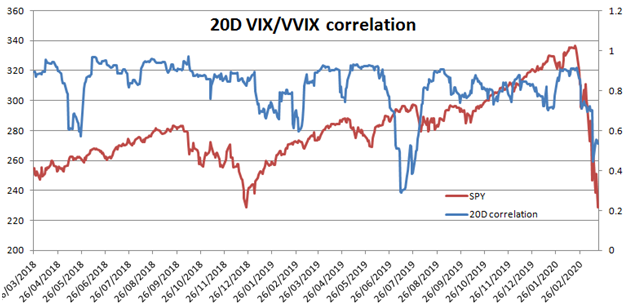
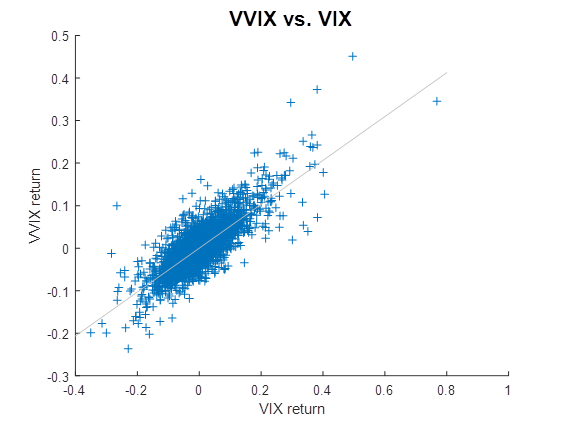
Volatility and volatility of volatility are highly correlated and share many similar characteristics. However, there are subtle but important differences between them. In this post, we will examine some of these differences and explore an application of volatility of volatility in portfolio management.

Improving Portfolio Management with Volatility of Volatility

Managing portfolios using volatility has proven effective. Reference [1] builds on this research by proposing the use of volatility of volatility for portfolio management. The rationale behind using volatility of volatility is that it represents uncertainty.

Unlike risk, which refers to situations where future returns are unknown but follow a known distribution, uncertainty means that both the outcome and the distribution are unknown. Stocks may exhibit uncertainty when volatility or other return distribution characteristics vary unpredictably over time.

Practically, the author used a stock’s daily high and low prices to derive its volatility of volatility.

Findings

-The study investigates how volatility-managed investment strategies perform under different levels of uncertainty across stocks and over time.

-A new measure of volatility-of-volatility (vol-of-vol) is introduced as a proxy for uncertainty about risk, capturing a unique dimension distinct from traditional volatility.

-Results show that abnormal returns from volatility management are concentrated in stocks with low uncertainty and during periods of low aggregate uncertainty.

-The effectiveness of sentiment-based explanations for volatility-managed returns is conditional on the level of uncertainty.

-Cross-sectional differences in uncertainty help explain why volatility-managed factor portfolios perform unevenly across stocks and time.

-Theoretical analysis extends a biased belief model, showing that higher vol-of-vol reduces volatility predictability and belief persistence, weakening the benefits of volatility timing.

-The study hypothesizes that volatility management is most effective for low-uncertainty stocks and in low-uncertainty market environments.

-Empirical tests use realized vol-of-vol derived from intraday high and low prices as the measure of uncertainty.

-Consistent with prior literature, uncertainty is positively related to future returns and contains unique predictive information not explained by other stock characteristics.

-Volatility management significantly improves risk-adjusted performance in low-uncertainty stocks and during low aggregate uncertainty periods, while uncertainty also helps explain performance variation across asset pricing factor portfolios.

In short, using the volatility of volatility as a filter proves to be effective, particularly for low-uncertainty stocks.

We find it insightful that the author distinguishes between risk and uncertainty and utilizes the volatility of volatility to represent uncertainty.

Reference

[1] Harris, Richard D. F. and Li, Nan and Taylor, Nicholas, The Impact of Uncertainty on Volatility-Managed Investment Strategies (2024), SSRN 4951893

Beyond volatility of volatility

This section is written by Alpha in Academia

The Volatility of Volatility Index (VVIX) is a composite measure, driven by both short-term market panic and long-term risk expectations.

For years, the VVIX, often dubbed the “fear of fear” index, was treated primarily as a measure of the volatility of volatility (VOV), but new research reveals it contains a second, equally critical component: Long-Run Variance (LRV).

Figure 1: Time series of the squared VVIX Notes: This figure reports time series of the squared VVIX from April 4, 2007, to August 31, 2023; these are all reported on a logarithmic scale for the vertical axis, while the horizontal axis remains linear. The squared VVIX corresponds to the daily closing value retrieved from CBOE. The shaded areas indicate periods of financial distress, such as the GFC, the European debt crisis, and the COVID-19 pandemic. Note that financial distress does not correspond to the NBER recession.

Using a sophisticated model and leveraging a novel technique involving risk-neutral cumulant data extracted from VIX options, researchers decomposed the VVIX dynamics. Their analysis reveals that the factors driving the index change dramatically depending on market conditions. Specifically, the short-term panic measure, VOV, significantly contributes only during acute periods of financial distress, which aligns with intuition. However, during stable or bull markets, the VVIX is primarily driven by the LRV component, reflecting persistent, underlying risk expectations.

In fact, when testing the explanatory power on market-neutral straddle portfolios using S&P 500 options, combining LRV and VOV produced an adjusted explanatory power up to three times greater than baseline models. The finding shows that the index provides “a clear answer to the question of the informational content of the VVIX, showing that it reflects not only the VOV but also an additional important component—the LRV”. Investors should thus view the VVIX not just as a fear gauge, but as a dual-sensor monitoring immediate market stress and long-term risk.

Reference

[2] Bacon, Étienne and Bégin, Jean-François and Gauthier, Geneviève, Beyond volatility of volatility: Decomposing the informational content of VVIX, 2025, SSRN 5611090

Closing Thoughts

In summary, both studies emphasize the role of volatility-of-volatility in understanding risk and market behavior. The first shows that volatility management is most effective in low-uncertainty environments, while the second reveals that the VVIX reflects not only short-term market stress but also long-term risk expectations. Together, they suggest that volatility-of-volatility offers deeper insight into both portfolio performance and the broader dynamics of market uncertainty.

Modeling Gold for Prediction and Portfolio Hedging

Gold prices have risen sharply in recent months, prompting renewed debate over whether the market has reached its peak. In this post, we examine quantitative models used to forecast gold prices and evaluate their effectiveness in capturing volatility and market dynamics. However, gold is not only a speculative vehicle, it also functions as an effective hedging instrument. We explore both aspects to provide a comprehensive view of gold’s role in modern portfolio management.

Comparative Analysis of Gold Forecasting Models: Statistical vs. Machine Learning Approaches

Gold is an important asset class, serving as both a store of value and a hedge against inflation and market uncertainty. Therefore, performing predictive analysis of gold prices is essential. Reference [1] evaluated several predictive methods for gold prices. It examined not only classical, statistical approaches but also newer machine learning techniques. The study used data from 2021 to 2025, with 80% as in-sample data and 20% as validation data.

Findings

-The study analyzes gold’s forecasting dynamics, comparing traditional statistical models (ARIMA, ETS, Linear Regression) with machine learning methods (KNN and SVM).

-Daily gold price data from 2021 to 2025 were used for model training, followed by forecasts for 2026.

-Descriptive analysis showed moderate volatility (σ = 501.12) and strong cumulative growth of 85%, confirming gold’s ongoing role as a strategic safe-haven asset.

-Empirical results indicate that Linear Regression (R² = 0.986, RMSE = 35.7) and ETS models achieved superior forecasting accuracy compared to ARIMA, KNN, and SVM.

-Machine learning models (KNN and SVM) underperformed, often misrepresenting volatility and producing higher forecast errors.

-The results challenge the assumption that complex algorithms necessarily outperform traditional methods in financial forecasting.

-Forecasts for 2026 project an average gold price of $4,659, corresponding to a 58.6% potential return.

-The study cautions that these forecasts remain sensitive to macroeconomic shocks and market uncertainties.

-The findings emphasize that simpler, transparent, and interpretable models can outperform more complex machine learning approaches in volatile market conditions.

In short, the paper shows that,

-Linear Regression and ETS outperformed ARIMA, KNN, and SVM, delivering the lowest error and highest explanatory power,

-Machine learning models (KNN, SVM) did not outperform traditional statistical methods, emphasizing the value of interpretability and stability in volatile markets.

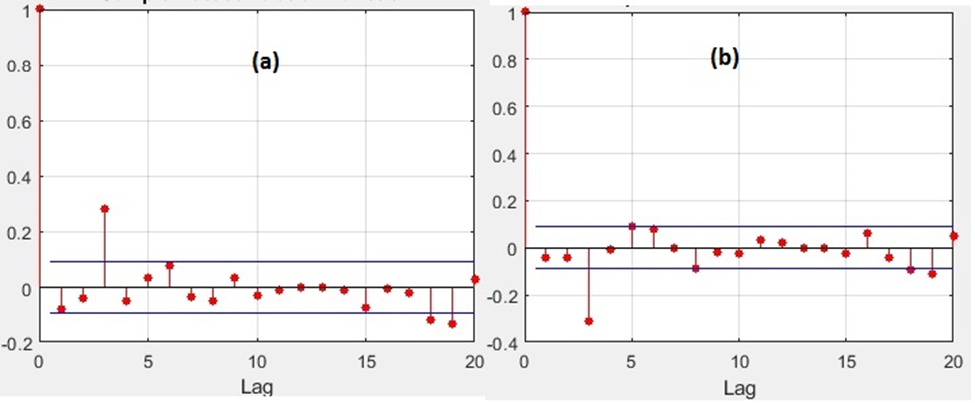
Another notable aspect of the study is its autocorrelation analysis, which reveals that, unlike equities, gold does not exhibit clear autocorrelation patterns—its price behavior appears almost random. The paper also suggested improving the forecasting model by incorporating macroeconomic variables.

Reference

[1] Muhammad Ahmad, Shehzad Khan, Rana Waseem Ahmad, Ahmed Abdul Rehman, Roidar Khan, Comparative analysis of statistical and machine learning models for gold price prediction, Journal of Media Horizons, Volume 6, Issue 4, 2025

Using Gold Futures to Hedge Equity Portfolios

Hedging is a risk management strategy used to offset potential losses in one investment by taking an opposing position in a related asset. By using financial instruments such as options, futures, or derivatives, investors can protect their portfolios from adverse price movements. The primary goal of hedging is not to maximize profits but to minimize potential losses and provide stability.

Reference [2] explores hedging basic materials portfolios using gold futures.

Findings

-The study examines commodities as alternative investments, hedging instruments, and diversification tools.

-Metals, in particular, tend to be less sensitive to inflation and exhibit low correlation with traditional financial assets.

-Investors can gain exposure to metals through shares of companies in the basic materials sector, which focus on exploration, development, and processing of raw materials.

-Since not all companies in this sector are directly linked to precious metals, the study suggests including gold futures to enhance portfolio diversification.

-The research compares a portfolio composed of basic materials sector stocks with a similar portfolio hedged using gold futures.

-Findings show that hedging with gold reduces both profits and losses, providing a stabilizing effect suitable for risk-averse investors.

-The analysis used historical data from March 1, 2018, to March 1, 2022, and tested several portfolio construction methods, including equal-weight, Monte Carlo, and mean-variance approaches.

-Between March 2022 and November 2023, most portfolios without gold futures experienced losses, while portfolios with short gold futures positions showed reduced drawdowns and more stable performance.

-The basis trading strategy using gold futures did not change the direction of returns but significantly mitigated volatility and portfolio swings.

In short, the study concludes that hedging base metal equity portfolios with gold futures can effectively reduce PnL volatility and enhance portfolio stability, offering a practical approach for conservative investors and professional asset managers.

Reference

[2] Stasytytė, V., Maknickienė, N., & Martinkutė-Kaulienė, R. (2024), Hedging basic materials equity portfolios using gold futures, Journal of International Studies, 17(2), 132-145.

Closing Thoughts

In summary, gold can serve as an investment, a speculative vehicle, and a hedging instrument. In the first article, simpler models such as Linear Regression and ETS outperformed complex algorithms in forecasting gold prices, emphasizing the importance of interpretability in volatile markets. In the second, incorporating gold futures into base metal portfolios reduced profit and loss volatility, offering stability for risk-averse investors. Together, the studies highlight gold’s dual function as both a return-generating asset and a tool for risk management.

Effectiveness of Covered Call Strategy in Developed and Emerging Markets

Covered call strategies are often promoted as an income-generation tool for investors seeking steady returns with reduced risk. But how effective are they in practice? In this post, we take a closer look at their real-world performance across different markets.

Do Covered Calls Deliver Superior Returns?

The covered call strategy is a popular and conservative options trading approach. It involves an investor holding a long position in an underlying asset, typically a stock, and then selling call options on that asset. These call options provide the buyer with the right to purchase the underlying asset at a predetermined strike price within a specific timeframe. By selling these calls, the investor generates additional income through the premiums received.

While the covered call strategy provides an additional income, it caps potential profits if the asset’s price rises significantly. Covered calls are often employed by investors seeking income while holding a moderately bullish view of the underlying asset’s price. It can be an effective way to enhance returns and manage risk in a portfolio.

The investment management industry has actively promoted the covered call strategy. But in reality, does it deliver superior returns compared to the buy-and-hold approach? Reference [1] effectively examined this question.

Findings

-The study evaluates the performance of a covered call strategy relative to the SPY ETF benchmark over the period from July 2009 to April 2023.

-Three covered call variations are analyzed: at-the-money (ATM), two percent out-of-the-money (OTM), and five percent OTM call options.

-The results show no statistically significant difference between the covered call strategies and the benchmark in terms of overall performance.

-Among the tested strategies, the five percent OTM covered call achieved the highest annualized return of 16%, followed by the two percent OTM with 15%, compared to SPY’s 13%.

-The study cautions investors that these figures do not account for taxes, transaction costs, or implementation expenses, which could reduce the strategy’s real-world profitability.

-The analysis distinguishes between two major market periods — the COVID-19 pandemic and the Russia–Ukraine conflict — to evaluate performance consistency.

-The findings suggest that while covered call strategies may offer comparable or slightly better returns in some conditions, their advantage is not statistically robust.

-The thesis excludes mean-variance ratios due to potential biases caused by the negatively skewed return distribution of covered call strategies.

-The results imply that covered call strategies may be better suited for specific market environments rather than as a general outperforming strategy.

Overall, the study highlights the limited evidence supporting the superiority of covered call strategies over a simple buy-and-hold approach for ETFs.

Reference

[1] Tomáš Ježo, Effect of covered calls on portfolio performance, 2023, Charles University

Do Covered Calls Deliver Superior Returns – Emerging Markets

The previous paper discussed the risk-adjusted returns of the covered call strategy in the US market. Reference [2] further studied the profitability of the covered call strategy in international markets.

Findings

-The study evaluates the effect of call writing on ETF portfolio returns and risk, focusing on the Indian capital market.

-Results indicate that adding call writing to ETFs generally reduces returns and increases risk compared to holding ETFs alone.

-Exceptions occur for portfolios using deep out-of-the-money (OTM) options—specifically OTM5 and OTM7—which achieved higher returns but also significantly higher risk.

-The OTM5 portfolio showed a 47% gain in rupee terms and 27% as a percentage of investment, though its risk nearly doubled.

-The high volatility of options often leads to sharp losses, with the potential to erase a year’s gains in a single week of negative returns.

-ETFs, while index-based, do not perfectly track their benchmarks, contributing to deviations in portfolio performance.

-The higher return of the OTM5 portfolio is attributed to a 68% success rate, suggesting potential benefits if the strategy is applied consistently over the long term.

-The findings support the idea that covered call strategies can generate income and manage risk if applied using deep OTM options and maintained for extended periods.

-The study aligns with prior research indicating that covered call strategies underperform in bull markets but can reduce risk or outperform in neutral or declining markets.

In brief, in the Indian market, covered calls yield lower returns with higher risks (as measured by portfolio volatility). The exception is when selling far out-of-the-money call options, but even then, the risk-adjusted returns remain lower due to the higher volatility of returns. This result is consistent with the result in the US market.

Reference

[2] Dr. Abhishek Shahu1, Dr. Himanshu Tiwari, Dr. Mahesh Joshi, Dr. Sanjay Kavishwar, An Analysis of the Effectiveness of Index ETFS and Index Derivatives in Covered Call Strategy, Journal of Informatics Education and Research, Vol 4 Issue 3 (2024)

Closing Thoughts

Both studies assess covered call strategies and reach broadly consistent conclusions. The U.S. study finds only marginal performance improvements over buy-and-hold, while the emerging market study shows potential for higher returns using deep out-of-the-money options but at increased risk. Overall, covered calls may enhance income under specific market conditions, though their benefits remain limited and context-dependent.

Identifying and Characterizing Market Regimes Across Asset Classes

Identifying market regimes is essential for understanding how risk, return, and volatility evolve across financial assets. In this post, we examine two quantitative approaches to regime detection.

Hedge Effectiveness Under a Four-State Regime Switching Model

Identifying market regimes is important for understanding shifts in risk, return, and volatility across financial assets. With the advancement of machine learning, many regime-switching and machine learning methods have been proposed. However, these methods, while promising, often face challenges of interpretability, overfitting, and a lack of robustness in real-world deployment.

Reference [1] proposed a more “classical” regime identification technique. The authors developed a four-state regime switching (PRS) model for FX hedging. Instead of using a simple constant hedge ratio, they classified the market into regimes and optimized hedge ratios accordingly.

Findings

-The study develops a four-state regime-switching model for optimal foreign exchange (FX) hedging using forward contracts.

-Each state corresponds to distinct market conditions based on the direction and magnitude of deviations of the FX spot rate from its long-term trend.

-The model’s performance is evaluated across five currencies against the British pound over multiple investment horizons.

-Empirical results show that the model achieves the highest risk reduction for the US dollar, euro, Japanese yen, and Turkish lira, and the second-best performance for the Indian rupee.

-The model demonstrates particularly strong performance for the Turkish lira, suggesting greater effectiveness in hedging highly volatile currencies.

-The model’s superior results are attributed to its ability to adjust the estimation horizon for the optimal hedge ratio according to current market conditions.

-This flexibility enables the model to capture asymmetry and fat-tail characteristics commonly present in FX return distributions.

-Findings indicate that FX investors use short-term memory during low market conditions and long-term memory during high market conditions relative to the trend.

-The model’s dynamic structure aligns with prior research emphasizing the benefits of updating models with recent data over time.

-Results contribute to understanding investor behavior across market regimes and offer practical implications for mitigating behavioral biases, such as panic during volatile conditions.

In short, the authors built a more efficient hedging model by splitting markets into four conditions instead of two, adjusting hedge ratios and memory length depending on the volatility regime. This significantly improves hedge effectiveness, especially in volatile currencies.

We believe this is an efficient method that can also be applied to other asset classes, such as equities and cryptocurrencies.

Reference

[1] Taehyun Lee, Ioannis C. Moutzouris, Nikos C. Papapostolou, Mahmoud Fatouh, Foreign exchange hedging using regime-switching models: The case of pound sterling, Int J Fin Econ. 2024;29:4813–4835

Using the Gaussian Mixture Models to Identify Market Regimes

Reference [2] proposed an approach that uses the Gaussian Mixture Models to identify market regimes by dividing it into clusters. It divided the market into 4 clusters or regimes,

Cluster 0: a disbelief momentum before the breakout zone,

Cluster 1: a high unpredictability zone or frenzy zone,

Cluster 2: a breakout zone,

Cluster 3: the low instability or the sideways zone.

Findings

-Statistical analysis indicated that the S&P 500 OHLC data followed a Gaussian (Normal) distribution, which motivated the use of Gaussian Mixture Models (GMMs) instead of k-means clustering, since GMMs account for the distributional properties of the data.

-Traditional trading strategies based on the Triple Simple Moving Average (TSMA) and Triple Exponential Moving Average (TEMA) were shown to be ineffective across all market regimes.

-The study identified the most suitable regimes for each strategy to improve portfolio returns, highlighting the importance of regime-based application rather than uniform use.

-This combined approach of clustering with GMM and regime-based trading strategies demonstrated potential for improving profitability and managing risks in the S&P 500 futures market.

In short, the triple moving average trading systems did not perform well. However, the authors managed to pinpoint the market regimes where the trading systems performed better, relatively speaking.

Reference

[2] F. Walugembe, T. Stoica, Evaluating Triple Moving Average Strategy Profitability Under Different Market Regimes, 2021, DOI:10.13140/RG.2.2.36616.96009

Closing Thoughts

Both studies underscore the importance of regime identification and adaptive modeling in financial decision-making. The four-state regime-switching hedging model demonstrates how incorporating changing market conditions enhances risk reduction in foreign exchange markets, while the Gaussian Mixture Model approach illustrates how clustering can effectively capture distinct market phases in equity trading. Together, they highlight the value of data-driven, regime-aware frameworks in improving both risk management and trading performance.

The Role of Data in Financial Modeling and Risk Management

Much emphasis has been placed on developing accurate and robust financial models, whether for pricing, trading, or risk management. However, a crucial yet often overlooked component of any quantitative system is the reliability of the underlying data. In this post, we explore some issues with financial data and how to address them.

How to Deal with Missing Financial Data?

In the financial industry, data plays a critical role in enabling managers to make informed decisions and manage risk effectively. Despite the critical importance of financial data, it is often missing or incomplete. Financial data can be difficult to obtain due to a lack of standardization and regulatory requirements. Incomplete or inaccurate data can lead to flawed analysis, incorrect decision-making, and increased risk.

Reference [1] studied the missing data in firms’ fundamentals and proposed methods for imputing the missing data.

Findings

-Missing financial data affects more than 70% of firms, representing approximately half of total market capitalization.

-The authors find that missing firm fundamentals exhibit complex, systematic patterns rather than occurring randomly, making traditional ad-hoc imputation methods unreliable.

-They propose a novel imputation method that utilizes both time-series and cross-sectional dependencies in the data to estimate missing values.

-The method accommodates general systematic patterns of missingness and generates a fully observed panel of firm fundamentals.

-The paper demonstrates that addressing missing data properly has significant implications for estimating risk premia, identifying cross-sectional anomalies, and improving portfolio construction.

-The issue of missing data extends beyond firm fundamentals to other financial domains such as analyst forecasts (I/B/E/S), ESG ratings, and other large financial datasets.

-The problem is expected to be even more pronounced in international data and with the rapid expansion of Big Data in finance.

-The authors emphasize that as data sources grow in volume and complexity, developing robust imputation methods will become increasingly critical.

In summary, the paper provides foundational principles and general guidelines for handling missing data, offering a framework that can be applied to a wide range of financial research and practical applications.

We think that the proposed data imputation methods can be applied not only to fundamental data but also to financial derivatives data, such as options.

Reference

[1] Bryzgalova, Svetlana and Lerner, Sven and Lettau, Martin and Pelger, Markus, Missing Financial Data SSRN 4106794

Predicting Realized Volatility Using High-Frequency Data: Is More Data Always Better?

A common belief in strategy design is that ‘more data is better.’ But is this always true? Reference [2] examined the impact of the quantity of data in predicting realized volatility. Specifically, it focused on the accuracy of volatility forecasts as a function of data sampling frequency. The study was conducted on crude oil, and it used GARCH as the volatility forecast method.

Findings

-The research explores whether increased data availability through higher-frequency sampling leads to improved forecast precision.

-The study employs several GARCH models using Brent crude oil futures data to assess how sampling frequency influences forecasting performance.

-In-sample results show that higher sampling frequencies improve model fit, indicated by lower AIC/BIC values and higher log-likelihood scores.

-Out-of-sample analysis reveals a more complex picture—higher sampling frequencies do not consistently reduce forecast errors.

-Regression analysis demonstrates that variations in forecast errors are only marginally explained by sampling frequency changes.

-Both linear and polynomial regressions yield similar results, with low adjusted R² values and weak correlations between frequency and error metrics.

-The findings challenge the prevailing assumption that higher-frequency data necessarily enhance forecast precision.

-The study concludes that lower-frequency sampling may sometimes yield better forecasts, depending on model structure and data quality.

-The paper emphasizes the need to balance the benefits and drawbacks of high-frequency data collection in volatility prediction.

-It calls for further research across different assets, markets, and modeling approaches to identify optimal sampling frequencies.

In short, increasing the data sampling frequency improves in-sample prediction accuracy. However, higher sampling frequency actually decreases out-of-sample prediction accuracy.

This result is surprising, and the author provided some explanation for this counterintuitive outcome. In my opinion, financial time series are usually noisy, so using more data isn’t necessarily better because it can amplify the noise.

Another important insight from the article is the importance of performing out-of-sample testing, as the results can differ, sometimes even contradict the in-sample outcomes.

Reference

[2] Hervé N. Mugemana, Evaluating the impact of sampling frequency on volatility forecast accuracy, 2024, Inland Norway University of Applied Sciences

Closing Thoughts

Both studies underscore the central role of high-quality data in financial modeling, trading, and risk management. Whether it is the frequency at which data are sampled or the completeness of firm-level fundamentals, the integrity of input data directly determines the reliability of forecasts, model calibration, and investment decisions. As financial markets become increasingly data-driven, the ability to collect, process, and validate information with precision will remain a defining edge for both researchers and practitioners.

Volatility Risk Premium Across Different Asset Classes

The volatility risk premium has been studied extensively in the equity space, but less so in other asset classes. In this post, we are going to examine the VRP across different asset classes.

Volatility Risk Premium Across Different Asset Classes

The volatility risk premium (VRP) is the compensation investors receive for bearing the risk associated with fluctuations in market volatility, typically measured as the difference between implied and realized volatility. The VRP in equities has been studied extensively. However, relatively little attention has been paid to the VRP in other asset classes.

Reference [1] examined the VRP in different asset classes. It specifically studied the VRP in 18 different underlyings belonging to the commodity, fixed-income, and equity asset classes.

Findings

-The paper analyzes the use of the volatility risk premium (VRP) for volatility forecasting across 18 distinct markets in two time periods.

-The study introduces RIV models, which adjust current implied volatility for the VRP, and finds that these models produce significantly more accurate forecasts compared to other approaches.

-Multiple methodologies for deriving RIV models are examined, with their strengths and limitations evaluated.

-The findings are consistent across most of the assets analyzed and are supported by various loss functions and statistical tests, reinforcing their robustness.

-The newly introduced RIV models outperform implied volatility (IV) and GARCH-based forecasts in predictive accuracy.

-The study finds that the VRP is generally positive across most markets.

-A link is identified between the magnitude of VRP and the trading volume of underlying futures, with higher volumes associated with positive VRP.

-Negative VRP is observed in a few low-volume markets, suggesting that insufficient depth in these markets prevents efficient option pricing.

In short, the VRP is positive in most markets and is positively correlated with trading volume. Additionally, the VRP can be used to predict future realized volatility.

This is an interesting look at the VRP in different markets. We note, however, that just because the VRP is positive in a given market, it does not necessarily mean that P&L can be easily extracted without taking on too much risk. To earn a respectable risk-adjusted return in a given market, a sophisticated system must be developed.

Reference

[1] Štěpán Havel, Volatility Risk Premium Across Multiple Asset Classes, Charles University, 2024

Illiquidity Premium in the Bitcoin Options Market

The previous article explored the VRP across asset classes, primarily commodities. Reference [2] examines the illiquidity risk premium in the crypto market, which is indirectly related to the VRP. Specifically, it studies the role of liquidity risks in the returns of bitcoin options.

In the bitcoin options market, market makers face significant challenges in hedging inventory risk due to price jump risks and lower liquidity. As a result, they charge a higher risk premium.

Findings

-The paper examines the economic drivers of illiquidity in cryptocurrency options markets and their impact on option returns.

-It uses transaction-level data for Bitcoin (BTC) options on Deribit from January 2020 to July 2024 to compute intraday measures of option illiquidity.

-The results show that when market makers hold net-long positions, they demand a positive illiquidity premium to offset hedging and rebalancing costs.

-A one standard deviation increase in option illiquidity raises daily delta-hedged returns by about 0.07% for calls and 0.06% for puts.

-A factor model based on latent instruments derived from option characteristics confirms that illiquidity is a distinct pricing factor in the cross-section of option returns.

-The Bitcoin options market remains illiquid, with this structure leading to a significant illiquidity premium where higher illiquidity predicts higher subsequent returns.

-Investors on average tend to sell options, though the net sell imbalance has declined with increased participation from small retail investors.

-Both panel OLS and IPCA factor models show a robust and positive relationship between illiquidity and expected option returns, consistent across different proxies and model specifications.

-The illiquidity premium compensates market makers for risks and costs associated with delta-hedging, rebalancing, and inventory management.

-Regression analyses indicate that relative spreads are driven by hedging costs, inventory costs, and asymmetric information, and remain an important determinant of expected returns, especially for options with negative order imbalances.

In short, Bitcoin options market makers and active traders earn excess returns, partly driven by the illiquidity premium.

Reference

[2] C Atanasova, T Miao, I Segarra, TT Sha, F Willeboordse, Illiquidity Premium and Crypto Option Returns, Working paper, 2024

Closing Thoughts

Together, these studies expand the understanding of risk premia beyond traditional equity markets. While the first paper demonstrates the existence of the VRP across asset classes, the second highlights the presence of an illiquidity risk premium in cryptocurrency options, reflecting unique market frictions. For traders and researchers alike, the results underscore the importance of adapting models and expectations to the characteristics of each market.

When Trading Systems Break Down: Causes of Decay and Stop Criteria

A key challenge in system development is that trading performance often deteriorates after going live. In this post, we look at why this happens by examining the post-publication decay of stock anomalies, and we address a practical question faced by every trader: when a system is losing money, is it simply in a drawdown or has it stopped working altogether?

Why and How Systematic Trading Strategies Decay After Going Live

Testing and validating a trading strategy is an important step in trading system development. It’s a commonly known fact that a well-optimized trading strategy’s performance often deteriorates after it goes live. Thus, developing a robust strategy that performs well out-of-sample is quite a challenge.

Reference [1] attempts to answer the question: why a strategy’s performance decays after going live.

Findings

-The paper investigates which ex-ante characteristics can predict the out-of-sample decline in risk-adjusted performance of published stock anomalies.

-The analysis covers a broad cross-section of anomalies documented in finance and academic journals, with the post-publication period defined as out-of-sample.

-Predictors of performance decay are based on two hypotheses: (1) arbitrage capital flowing into newly published strategies, and (2) in-sample overfitting due to multiple hypothesis testing.

-Publication year alone accounts for 30% of the variance in Sharpe ratio decay, with Sharpe decay increasing by 5 percentage points annually for newly published factors.

-Three overfitting-related variables—signal complexity (measured by the number of operations required) and two measures of in-sample sensitivity to outliers—add another 15% of explanatory power.

-Arbitrage-related variables are statistically significant but contribute little additional predictive power.

-The study tests both hypotheses using explanatory variables and univariate regressions, finding significant coefficients from both sets.

In short, the results indicate that performance decay is driven jointly by overfitting and arbitrage effects.

Reference

[1] Falck, Antoine Rej, Adam and Thesmar, David, Why and How Systematic Strategies Decay, SSRN 3845928

When to Stop Trading a Strategy?

When a trading system is losing money, an important question one should ask is: Are we in a drawdown, or has the system stopped working? The distinction is crucial because the two situations require different solutions. If we are in a drawdown, it means that our system is still working and we just have to ride out the losing streak. On the other hand, if our system has stopped working, we need to take action and find a new system.

Reference [2] attempted to answer this question.

Findings

-The paper examines how to distinguish between normal unlucky streaks and genuine degradation in trading strategies.

-It argues that excessively long or deep drawdowns should trigger a downward revision of the strategy’s assumed Sharpe ratio.

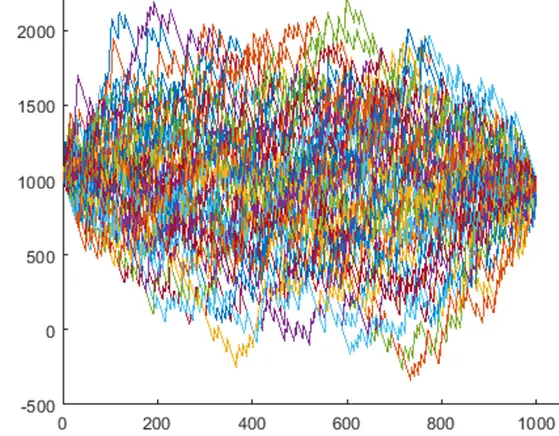
-A quantitative framework is developed using exact probability distributions for the length and depth of the last drawdown in upward-drifting Brownian motions.

-The analysis shows that both managers and investors systematically underestimate the expected length and depth of drawdowns implied by a given Sharpe ratio.

I found that the authors have some good points. But I don’t think that the assumption that the log P&L of a strategy follows a drifted Brownian process is realistic.

Note that a trading strategy’s P&L can often exhibit serial correlation. This is in contradiction with the assumption above.

Reference

[2] Adam Rej, Philip Seager, Jean-Philippe Bouchaud, You are in a drawdown. When should you start worrying? arxiv.org/abs/1707.01457v2

Closing Thoughts

Both papers address the critical issue of strategy persistence and performance decay, though from different perspectives. The first highlights how published anomalies tend to lose risk-adjusted returns over time, with evidence pointing to both overfitting in backtests and arbitrage capital crowding as drivers of performance decay. The second provides a quantitative framework for assessing when drawdowns signal genuine deterioration rather than normal variance, showing that investors often underestimate the length and depth of drawdowns implied by a given Sharpe ratio. Taken together, these studies underscore the need for investors to treat historical performance with caution, monitor strategies rigorously, and account for both statistical fragility and realistic drawdown expectations in portfolio management.

Volatility Targeting Across Asset Pricing Factors and Industry Portfolios

Position sizing is an important aspect of portfolio management, as it directly influences both risk and return. While investors can choose from a number of position sizing techniques, one approach that has gained traction is volatility targeting. In this post, I explore how volatility targeting can be applied to manage portfolio exposure and improve risk-adjusted returns.

Volatility Timing in Portfolio Management

Volatility of an asset is the measure of how much its price changes over time. The higher the volatility, the greater the price swings.  Volatility is important because it can have a big impact on the value of your investments. For example, if you’re holding an asset that has high volatility, the value of your investment will be more volatile as well.

Reference [1] proposed a volatility timing technique to manage an investment portfolio.

Findings

-The study shows that volatility-managed portfolios generate large alphas, higher factor Sharpe ratios, and significant utility gains for mean-variance investors.

-Evidence is provided across equity factors (market, value, momentum, profitability, return on equity, and investment) as well as the currency carry trade.

-Volatility timing enhances Sharpe ratios because factor volatilities change more than expected returns, creating inefficiencies to exploit.

-The strategy runs contrary to conventional wisdom: it reduces risk in recessions and crises but still delivers high average returns.

-These findings challenge traditional risk-based explanations and structural models of time-varying expected returns.

-Volatility-managed portfolios are straightforward to implement in real time and provide consistently high risk-adjusted returns.

-Because volatility does not strongly predict future returns, reducing exposure when volatility is high and increasing it when volatility is low improves performance.

-Utility gains from volatility timing for mean-variance investors are estimated at around 65%, which far exceeds the gains from timing expected returns.

-The strategy also sheds light on the dynamics of effective risk aversion, which is central to theories of time-varying risk premia.

In short, the authors advocated lowering risk exposure when volatility is high and increasing risk exposure when volatility is low. The technique relies on the idea that volatility is autocorrelated but only weakly correlated with future returns. It has been widely adopted by industry practitioners.

Reference

[1] Moreira, Alan and Muir, Tyler, Volatility-Managed Portfolios, Journal of Finance, 72(4), 1611–1644

Applying Volatility Management Across Industries

Based on the previous paper, Reference [2] continues this line of research by applying volatility-managed techniques to U.S. industry portfolios. It uses four measures of volatility: one-month realized variance, one-month realized volatility, six-month exponentially weighted moving average (EWMA) of realized volatility, and GARCH-forecasted one-month volatility.

Findings

-Four volatility-management techniques are tested: one-month realized variance, one-month realized volatility, six-month EWMA volatility, and GARCH-forecasted one-month volatility.

-Volatility-managed portfolios show statistically and economically significant improvements in Sharpe and Sortino ratios compared to unmanaged portfolios.

-The EWMA-based strategy is the most robust after accounting for transaction costs and leverage constraints.

-Technology, telecom, and utilities benefit the most, with Sharpe ratio improvements of 27.6%, 30.5%, and 25.5%, respectively.

-Results show that volatility management is practical and enhances investor welfare for both mean-variance and benchmark-aware investors.

-The technology sector emerges as the most favorable for implementing volatility-management strategies due to consistent performance gains.

-Strategy effectiveness varies across subperiods, with negative skewness and kurtosis disrupting traditional volatility patterns.

-Statistical significance weakens during recessionary periods, suggesting caution when applying strategies in stressed market environments.

In short, the article concluded that,

-Volatility management using a six-month EWMA volatility measure is the most consistent,

-The strategy improves Sharpe ratios in the technology, telecom, and utilities sectors, though not all sectors benefit equally. Technology performs best due to the persistence of its volatility,

-The statistical significance of volatility-managed strategies weakens when tested over selected subperiods and recessionary periods.

Reference

[2] Ryan Enney, Sector-Specific Volatility Management: Evidence from U.S. Equity Industry Portfolios, Claremont McKenna College, 2025

Closing Thoughts

These two studies highlight the effectiveness of volatility management across both factor-based and industry-specific portfolios. Evidence shows that scaling risk exposure inversely with volatility can significantly enhance Sharpe ratios, utility gains, and investor welfare. While factor-level strategies demonstrate robustness across market regimes, sector-level analysis points to particularly strong improvements in technology, telecom, and utilities. Collectively, the findings confirm that volatility management is not only theoretically sound but also practically implementable, offering investors a disciplined framework to improve risk-adjusted returns across diverse applications.

Tail Risk Hedging Using Option Signals and Bond ETFs

Tail risk hedging plays a critical role in portfolio management. I discussed this topic in a previous article. In this post, I continue the discussion by presenting different techniques for managing tail risks.

Hedging with Puts: Do Volatility and Skew Signals Work?

Portfolio hedging remains a complex and challenging task. A straightforward method to hedge an equity portfolio is to buy put options. However, this approach comes at a cost—the option premiums—leading to performance drag. As a result, many research studies are focused on designing effective hedging strategies that offer protection while minimizing costs.

Reference [1] presents the latest research in this area. It examines hedging schemes for equity portfolios using several signals, including MOM (momentum), TREND, HVOL (historical volatility), IVOL (implied volatility), and SKEW. The study also introduces a more refined rehedging strategy for put options:

-If, during the investment period, a put option’s delta falls to −0.9 or lower, the option is sold to lock in profits and avoid losing them in case of a sudden price reversal.

-Put options are bought when implied volatility is below 10%, as they are considered cheap. No position is taken if implied volatility is above 30%, to avoid overpaying for expensive options.

Findings

-The study investigates how option strategies can be integrated into equity portfolios to improve performance under risk constraints. It highlights weaknesses in traditional equity and fixed-income diversification for institutional investors.

-The research tests backward-looking signals from equity markets and forward-looking signals from options markets in covered call and protective put strategies.

-The TREND signal is found to be the most valuable, reducing portfolio risk without reducing returns compared to equity-only portfolios.

-The SKEW signal has a positive impact on GMV allocation but is less effective under EW allocation.

-Adding extra trading rules (TR1, TR2) does not enhance performance and is often negative.

-Backtests of long-put strategies confirm that the TREND signal offers the best balance between downside protection and performance preservation.

-Bootstrapped results diverge from backtests, showing that HVOL and IVOL signals outperform the BASE portfolio in risk-adjusted terms.

-The differences between bootstrap and backtest results suggest that the effectiveness of signals depends on the prevailing market regime.

In short, buying put options using the TREND signal appears to improve portfolio risk-adjusted returns. While SKEW and IVOL add little in backtests, they perform better in bootstrapped results, suggesting that the effectiveness of put protection strategies is regime-dependent.

This study offers a comprehensive evaluation of various hedging rules. There is no conclusive answer yet, implying that designing an efficient hedging strategy is complex and requires ongoing effort. Still, the article is a strong step in the right direction.

Reference

[1] Sylvestre Blanc, Emmanuel Fragnière, Francesc Naya, and Nils S. Tuchschmid, Option Strategies and Market Signals: Do They Add Value to Equity Portfolios?, FinTech 2025, 4(2), 25

Tail Risk Hedging with Corporate Bond ETFs

Reference [2] proposed a tail risk hedging scheme by shorting corporate bonds. Specifically, it constructed three signals—Momentum, Liquidity, and Credit—that can be used in combination to signal entries and exits into short high-yield ETF positions to hedge a bond portfolio.

Findings

-Investment Grade (IG) bonds in the US typically trade at modest spreads over Treasuries, reflecting corporate default risk.

-During market crises, IG spreads widen and liquidity decreases due to rising credit risk and forced selling by asset holders such as mutual funds.

-This non-linear widening of spreads during drawdowns is referred to as downside convexity, which can be captured through short positions in IG ETFs.

-The study develops three signals—Momentum, Liquidity, and Credit—to time entry and exit for short IG positions as a dynamic hedge.

-The dynamic hedge effectively protects high-carry bond funds like PIMIX and avoids drawdowns for funds such as DODIX, even after considering trading and funding costs.

-Each signal captures different aspects of the IG bond market, and their combination provides the strongest results, improving the Sortino ratio by at least 0.7.

-The hedge model performs consistently well across a broad range of tested parameters, showing robustness.

-Shorting IG (LQD) and HY (HYG) ETFs is found to be more cost-effective than shorting individual IG bonds, due to liquidity and low bid-ask spreads.

-IG and HY CDXs, despite larger volumes, lack the downside convexity of ETFs and are less effective for hedging.

Overall, ETF-based hedging delivers both cost efficiency and strong downside protection, making it a practical approach for institutional investors.

An interesting insight from this paper is that it points out how using corporate ETFs benefits from downside convexity, while using credit default swaps, such as IG CDXs, does not.

Reference

[2] Travis Cable, Amir Mani, Wei Qi, Georgios Sotiropoulos and Yiyuan Xiong, On the Efficacy of Shorting Corporate Bonds as a Tail Risk Hedging Solution, arXiv:2504.06289

Closing Thoughts

Both studies highlight the importance of adapting traditional portfolio strategies by incorporating alternative approaches to better manage risk and improve performance. The first paper shows how option-based overlays, particularly when guided by signals such as trend, can enhance equity portfolios by providing downside protection without materially reducing returns. The second paper demonstrates that credit and liquidity risks in investment-grade bonds can be more effectively managed through dynamic hedging with liquid bond ETFs. Together, these findings underscore that integrating derivative-based strategies offers investors practical tools to navigate market volatility, reduce drawdowns, and achieve more resilient portfolio outcomes.

Stochastic Volatility Models for Capturing ETF Dynamics and Option Term Structures

The standard Black-Scholes-Merton model is valuable in both theory and practice. However, in certain situations, more advanced models are preferable. In this post, I explore stochastic volatility models.

Stock and Volatility Simulation: A Comparative Study of Stochastic Models

Stochastic volatility models, unlike constant volatility models, which assume a fixed level of volatility, allow volatility to change. By incorporating factors like mean reversion and volatility of volatility, stochastic volatility models offer a robust framework for pricing derivatives, managing risks, and improving investment strategies.

Reference [1] investigates several stochastic models for simulating stock and volatility paths that can be used in stress testing and scenario analysis. It also proposes a method for evaluating these stochastic models. The models studied include

-Geometric Brownian Motion (GBM),

-Generalized Autoregressive Conditional Heteroskedasticity (GARCH),

-Heston stochastic volatility,

-Stochastic Volatility with Jumps (SVJD), and a novel

-Multi-Scale Volatility with Jumps (MSVJ).

Findings

-The paper compares several stochastic models for simulating leveraged ETF (LETF) price paths, using TQQQ as the case study.

-The MSVJ model captures both fast and slow volatility components and demonstrates superior performance in modeling volatility dynamics and price range estimation.

-The evaluation framework tests price and volatility characteristics against actual TQQQ data under different market conditions, including the COVID-19 crash and the 2022 drawdown.

-GBM and Heston models are most effective in simulating market crashes, as they reproduce historical drawdowns and capture tail risk well.

-The MSVJ model is the most suitable for option pricing because it provides the best fit for both price and volatility, as measured by its highest WMCR.

-The SVJD model performs best in generating realistic price and volatility paths, as it incorporates both stochastic volatility and jump processes.

-SVJD’s realism makes it useful for portfolio managers in backtesting trading strategies and assessing portfolio risk across different market conditions.

In short, each model has distinct strengths, so the optimal choice depends on whether the goal is risk management, option pricing, or portfolio simulation.

Reference

[1] Kartikay Goyle, Comparative analysis of stochastic models for simulating leveraged ETF price paths, Journal of Mathematics and Modeling in Finance (JMMF) Vol. 5, No. 1, Winter & Spring 2025

Modeling Short-term Implied Volatilities in Heston Model

Despite their advantages, stochastic volatility models have difficulty in accurately characterizing both the flatness of long-term implied volatility (IV) curves and the steep curvature of short-term ones. Reference [2] addresses this issue by introducing a term-structure-based correction to the volatility of volatility (vol-vol) term in the classical Heston stochastic volatility model.

Findings

-Existing financial models struggle to capture implied volatility (IV) shapes across all option maturities simultaneously. This paper introduces a term-structure-based correction to the volatility of volatility (vol-vol) term in the classical Heston stochastic volatility model.

-The correction is modeled as an exponential increase function of the option expiry.

-An approximate formula for IV is derived using the perturbation method and applied to Shanghai Stock Exchange 50 ETF options.

-Numerical and empirical results show that the correction significantly improves the Heston model’s ability to capture short-term IVs.

-The corrected model enhances both IV forecasting and option quoting performance compared to the classical Heston model.

-While demonstrated on the Heston model, the method can be extended to other stochastic volatility models.

-Future research could include embedding strike into the correction function to better capture the entire implied volatility surface.

In brief, both short- and long-term IVs are accurately modeled in the new Heston variant.

This paper improves the existing Heston model. Thus, it helps portfolio managers and risk managers to better manage the risks of investment portfolios.

Reference

[2] Youfa Sun, Yishan Gong, Xinyuan Wang & Caiyan Liu, A novel term-structure-based Heston model for implied volatility surface, International Journal of Computer Mathematics, 1–24.

Closing Thoughts

Both studies advance volatility modeling in financial markets. The first highlights how different stochastic models, including a novel multi-scale volatility with jumps framework, can better simulate leveraged ETF dynamics under varying conditions, with specific strengths depending on the application. The second shows that enhancing the Heston model with a term-structure correction improves the fit of implied volatility surfaces across maturities, especially for short-dated options. Together, these findings underscore the importance of refining volatility models to capture market complexity and improve applications in risk management, option pricing, and forecasting.